
In clinical practice, patients often come with expectations, preferences, or even self-diagnoses. A client may ask for a particular test, drug, or procedure. But as a clinician, you know that their request may not always be in their best interest. Your role is to listen with compassion, then guide them toward what is safe, effective, and ultimately for their good—even if it’s different from what they initially wanted.
Parents deal with something similar. My toddler loves to pick up things—some safe, some harmful. She may cry, protest, or throw a tantrum when I take away what she wants, but part of my role as a parent is to know what is truly good for her. I will never hand her something that would hurt her, no matter how hard she pleads. Love sometimes means saying no.
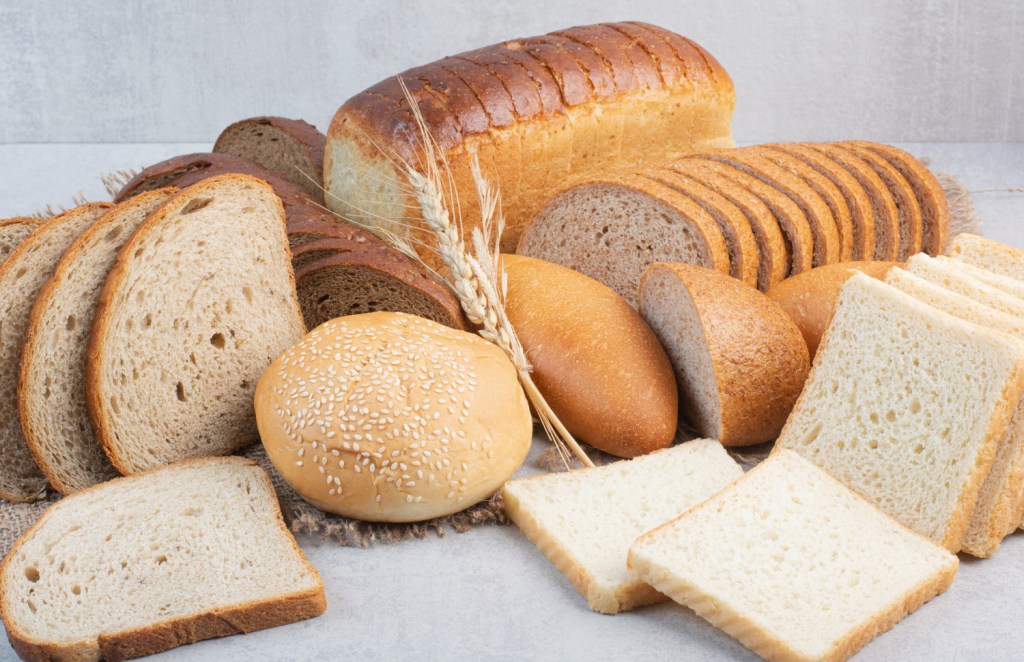
This is the heart of Matthew 7:7–11. Jesus tells us to ask, seek, and knock—and assures us that our Father in heaven will answer. But like toddlers with their parents, or patients with their clinicians, we don’t always know what is best for us. God, however, does. God, in His wisdom, sometimes says no or wait, not because He is withholding good from us, but because He is protecting us from harm or preparing us for something better. He is the Father who never gives a stone when we ask for bread, or a snake when we ask for fish. He may not always give us exactly what we want, but He always gives us what is good.
So whether in parenting, in medicine, or in our walk with God, love is not about granting every request—it is about providing what brings life, growth, and true blessing. And we can trust that our heavenly Father, far wiser and kinder than any earthly parent or clinician, will always do just that.
Applications
- Trust God’s wisdom – When God answers differently than we expected, remind yourself that His love always seeks your good.
- Practice discernment in prayer – Instead of only asking for what you want, also pray: “Lord, give me what You know is best.”
- Patience in waiting – Just as a child eventually sees why the parent withheld something, we too may only understand God’s “no” in hindsight.
Reflections
- Can I recall a time when God did not give me what I prayed for, but later I saw it was for my good?
- In what ways do I need to trust His wisdom more deeply right now?
- How can I model God’s loving discernment in how I guide others under my care?
Let us pray
Heavenly Father, thank You for being wiser than my desires and more loving than my understanding. Forgive me when I confuse Your no or wait for neglect. Teach me to trust that You always give good gifts, even when they look different from what I asked for. Help me reflect Your wisdom and love in the way I guide others—whether as a parent, a professional, or a friend. May my life bear witness to the truth that You are a good Father who gives not stones or snakes, but bread and fish. In Jesus’ name, Amen.
 On Rounds with Jesus